

Examples of Ear Conditions in Dogs and Cats
The most common cause of ear infections in dogs and cats is allergies. However, allergic changes can't be clearly identified from photos alone, since they can look very different from case to case.
The examples below therefore show visible primary (non-allergic) causes, as well as secondary changes that can occur as part of an ear infection. They're meant to help explain why ear infections sometimes keep coming back, or get worse despite treatment.
Visible Primary Causes (Examples)
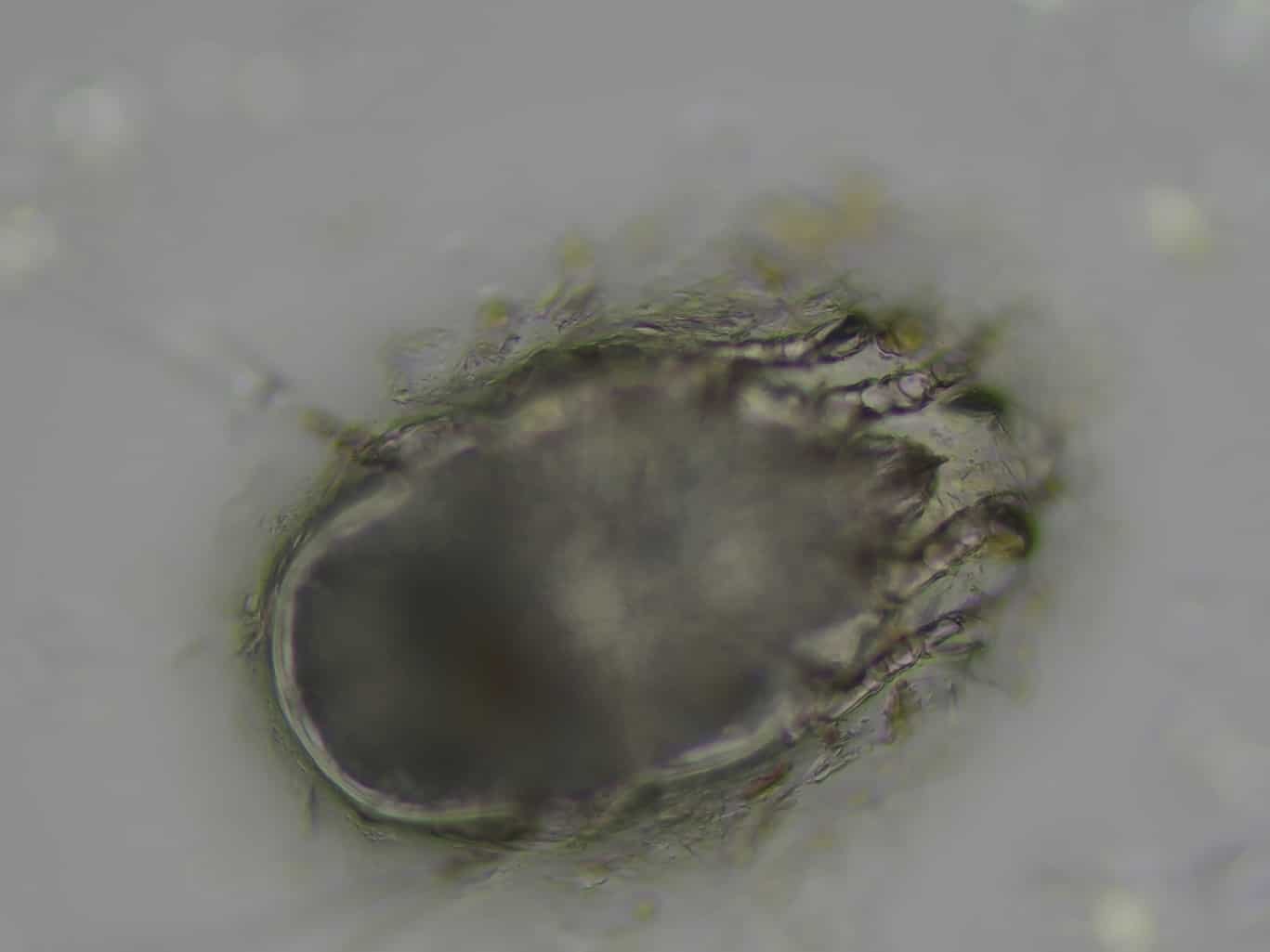
Ear Mites
Ear mites are small parasites that live in the ear canal and cause intense itching. Typical signs include frequent scratching, head shaking, and dark, crumbly debris in the ear.
Ear mites (white) on a cat
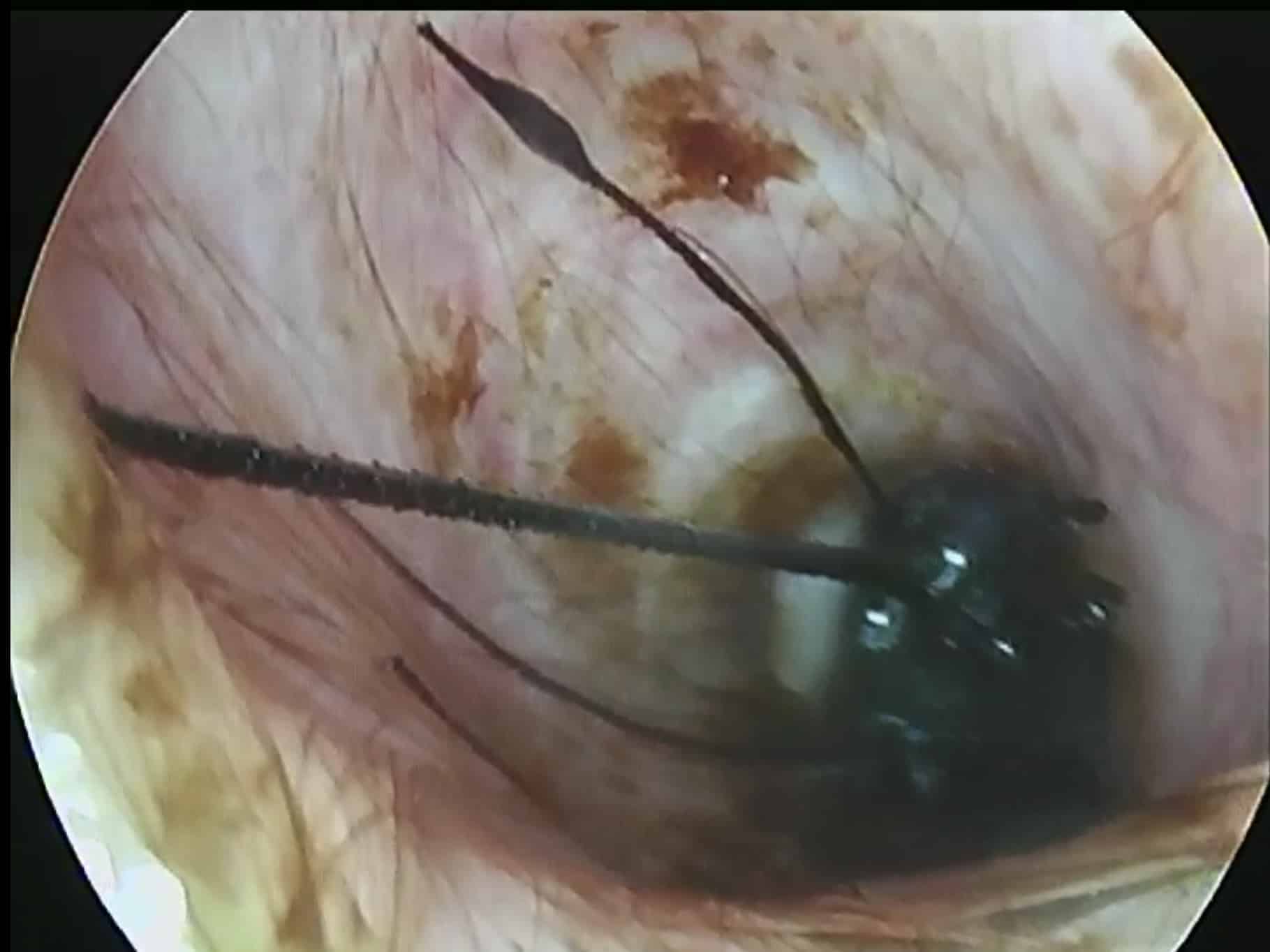
Foreign Bodies in the Ear Canal (e.g. Plant Awns)
Foreign bodies such as plant awns can penetrate deep into the ear canal and cause a painful infection there. As long as the foreign body isn't removed, the ear infection won't heal for good.
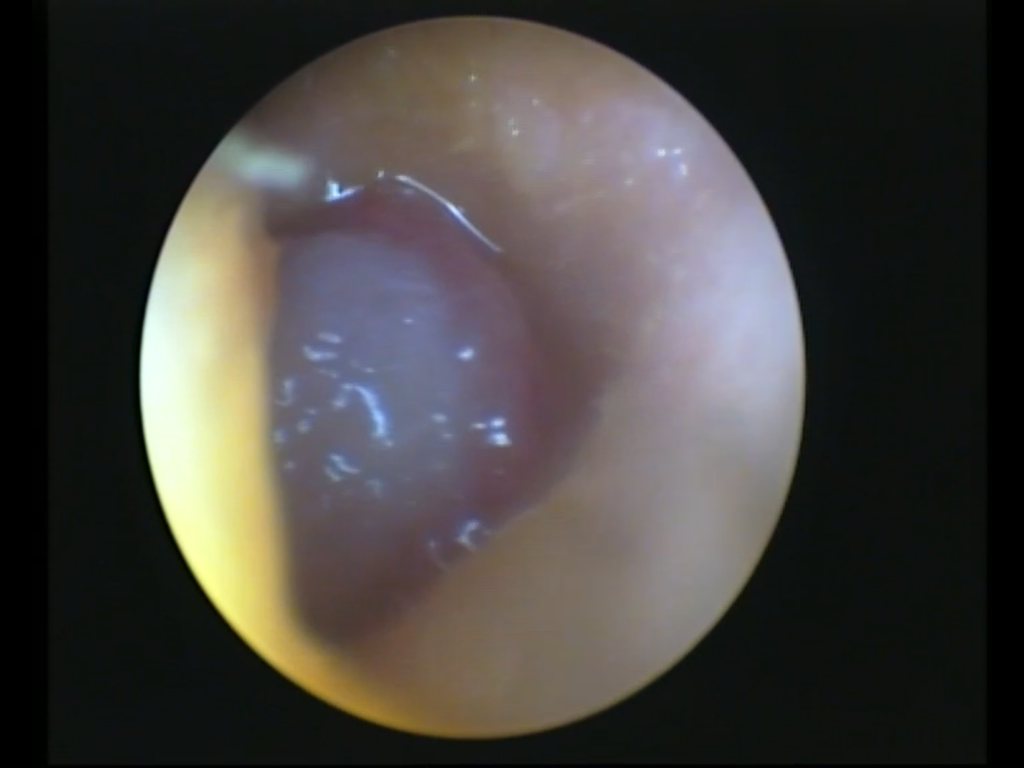
Polyps in the Ear Canal (Cats)
Polyps are benign growths of tissue that can narrow or block the ear canal.
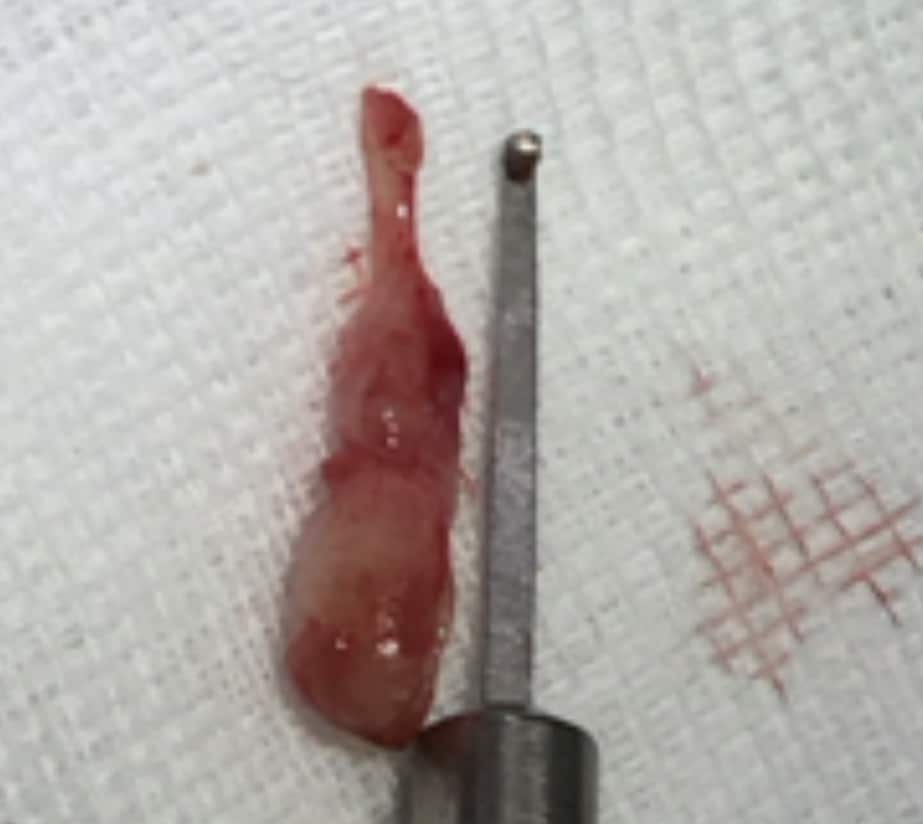
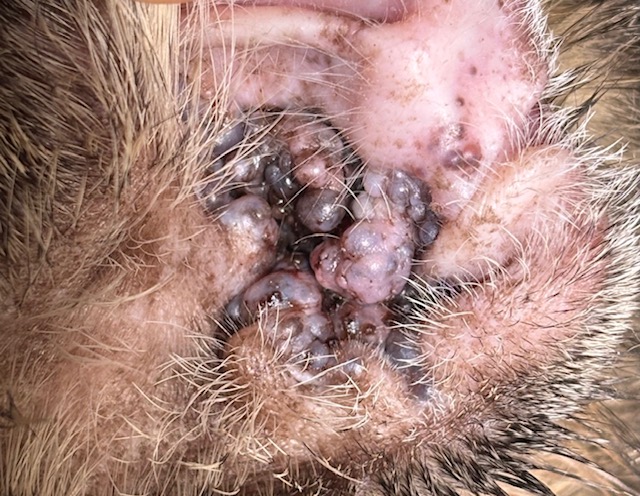
Primary Ceruminous Gland Hyperplasia (Cats)
In cats, the ear glands can rarely proliferate on their own. This change occurs independently of allergies and can itself trigger an ear infection.
Secondary Changes in Ear Infections
Secondary changes develop as a result of an ear infection that's already present. They worsen the symptoms but are usually not the original cause.
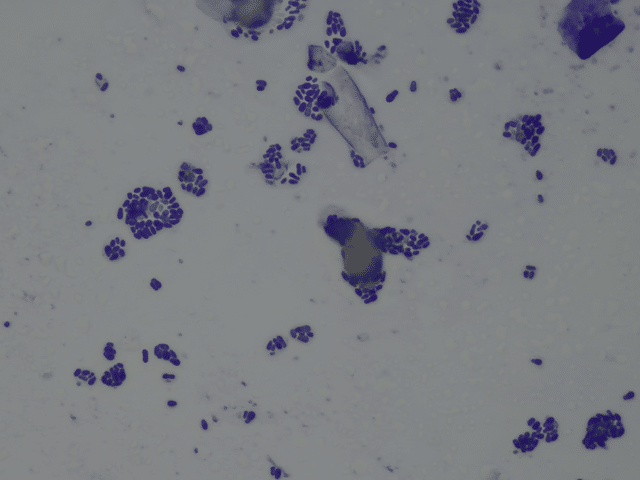
Yeasts (Malassezia)
Yeasts are part of the normal skin flora, but can multiply heavily during an ear infection.
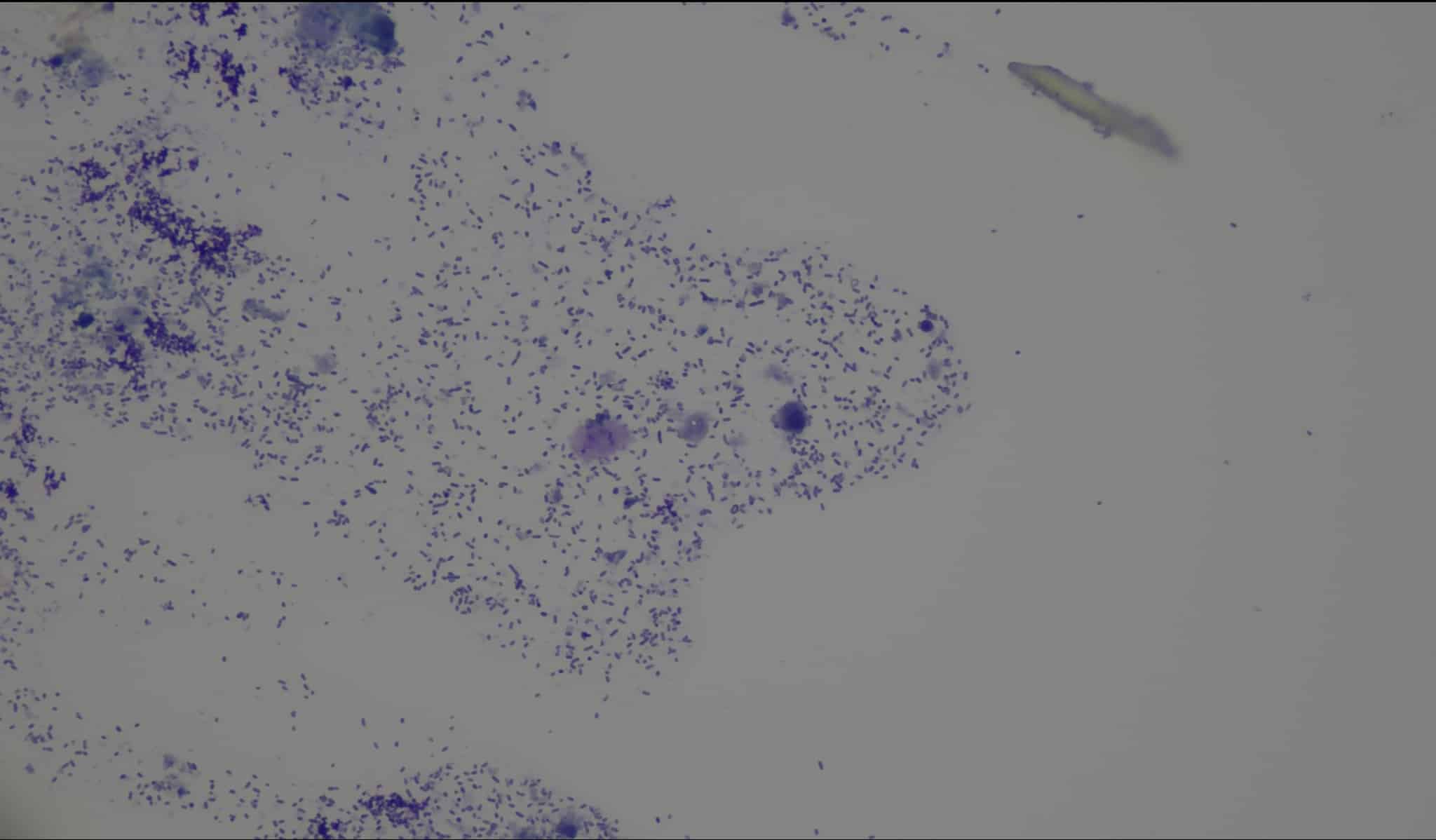
Bacterial Infection (Pseudomonas)
Certain bacteria multiply especially in longer-standing ear infections, making treatment more difficult.
Ear infections can have very different causes. The most common cause is allergies — but these can't be identified directly from photos. What's visible in the ear are usually primary changes (e.g. parasites, foreign bodies or polyps) as well as secondary changes such as yeasts or bacteria.
The examples described here are meant to illustrate why a thorough examination of the ear, and finding the actual underlying cause, is essential for successful treatment.